
Cartoner or case packer: define the packaging level
A cartoner and a case packer are not interchangeable names for the same machine. The correct category depends on whether the required output is a folding carton around the bottle or a corrugated case for distribution.
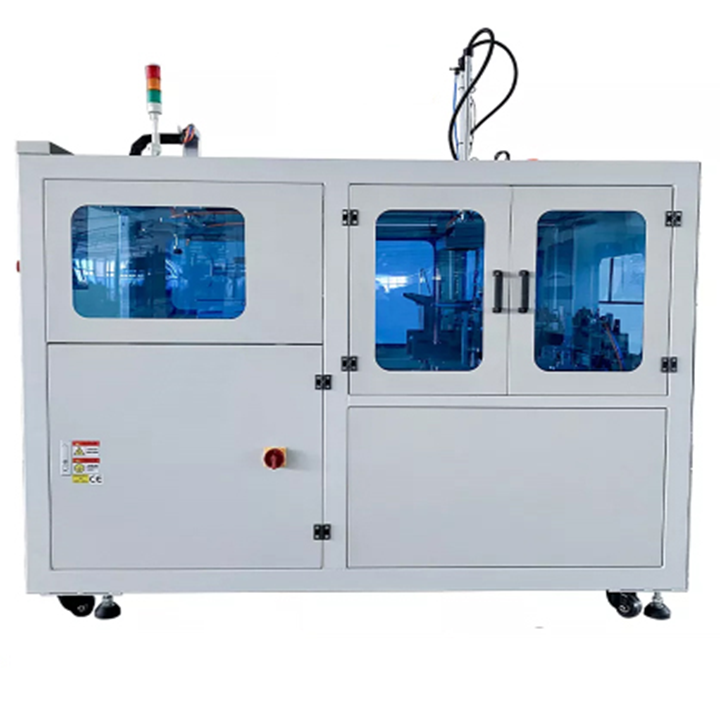
What does a cartoner pack?
A cartoner forms a folding carton from a flat blank, loads one product or a controlled group, then closes and may inspect the finished carton.
For this website, the product is usually a bottle or bottle multipack. The carton can carry presentation, product information, protection or grouping functions. The machine scope may also include leaflet insertion, coding and reject checks. A cartoner works at the folding-carton pack level, not the corrugated shipping-case level.
What does a case packer pack?
A case packer loads products or finished cartons into a larger corrugated case intended for handling, storage or distribution.
The case may be supplied pre-erected or formed by separate equipment. After loading, a case closer or taper may seal it. The product pattern, case strength, shipping requirement and downstream palletising process drive case-packing design. Although “carton” and “case” are sometimes used loosely, the machine functions and materials are different.
Can a cartoner replace a case packer?
Usually not, because a cartoner and a case packer operate at different packaging levels and perform different forming, loading and closing tasks.
A bottle cartoner is appropriate when the required output is a folding carton around one bottle or a defined bottle group. A case packer is appropriate when the required output is a corrugated shipping case containing products or finished cartons. If the retail carton is not required, a case packer may load bottles directly—but that is a different pack specification, not a direct machine substitution.
Can the same packaging line use both a cartoner and a case packer?
Yes. A line may carton individual bottles or multipacks first, inspect them, then collate the finished cartons and load them into corrugated cases for distribution.
The line must define transfer, accumulation, case count, code relationship, reject handling and which machine controls each stop. A case erector may supply open cases and a case sealer may close them after packing.
| Required result | Likely equipment category | Key evidence |
|---|---|---|
| Bottle in printed folding carton | Horizontal or vertical cartoner | Bottle, flat blank, closure, inserts and accepted finished carton |
| Several bottles in one folding carton | Multipack cartoner | Pack pattern, divider need, group stability and carton blank |
| Products or cartons in corrugated case | Case packer | Case style, load pattern, shipping requirement and closure |
| Empty corrugated case ready for loading | Case erector or former | Flat corrugated blank, bottom closure and discharge interface |
Confirm the finished pack before requesting machinery
Send a sketch or sample of the required folding carton or shipping case, the product count and the upstream and downstream process so the correct equipment boundary can be identified.
Describe every packaging layer in the enquiry
Photograph the unit sold to the customer and the unit shipped from the factory. If one sits inside the other, describe both: a bottle may enter a printed folding carton and several finished cartons may then enter a transport case. State which of those operations the proposed equipment must perform.
Identify the handover between the two packing levels. The downstream requirement may include a particular carton orientation, count or grouping pattern. Put this information beside the finished-case sample so a cartoning proposal does not leave the case-packing task undefined.
- Contents at each stage
- List bottles, inserts, dividers and finished cartons at the stage where they are introduced. Include who supplies or presents each component.
- Closure boundary
- Distinguish closing the retail carton from closing the transport case. Record whether either operation will remain manual in the first project phase.
What if the supplier calls both packs cartons?
Send the material, blank style, finished dimensions and a photograph for each level. Physical pack definitions avoid relying on terminology alone.