Mechanical interfaces
Conveyor heights, transfer gaps, product guides, access zones, floor loading and service clearances.

A cartoner should not be specified in isolation when it forms part of an automated bottle line. Product flow, accumulation, controls, safety and batch handling need one agreed line philosophy.

The exact sequence depends on the product, carton and regulatory requirements.
Conveyor heights, transfer gaps, product guides, access zones, floor loading and service clearances.
Ready, running, starved, blocked, fault, emergency-stop and production-data signals.
Sustainable rates, accumulation strategy, planned micro-stops and controlled upstream slowdown.
Guarding boundaries, interlocked access, safe isolation and responsibility across machine interfaces.
Potentially, subject to technical information, access to the required control signals, safety responsibilities and a survey of the existing line.
There is no universal figure. It depends on upstream behaviour, cartoner recovery, bottle stability, permissible back-pressure and the required line efficiency.
A line controller or clearly defined master machine may coordinate speed and status, but the architecture should be agreed during controls design rather than assumed.
Send your bottle, carton, output and layout details. We will review the application and identify the machine format and integration questions that matter.
A cartoner can meet its own cycle requirement and still reduce whole-line output if product pitch, accumulation, downstream capacity or control ownership is unclear. The line specification should describe how the cartoner behaves when it is starved, blocked, stopped for a fault, placed in manual mode, undergoing a changeover or clearing a batch. These states need agreed signals and physical product-control rules.
| Interface | Questions to settle |
|---|---|
| Upstream product flow | How are bottles pitched, accumulated and released; what maximum back-pressure is acceptable; and how are gaps or fallen products handled? |
| Line-state signals | Which equipment exchanges ready, run, starved, blocked, fault, changeover and emergency-stop status, and who owns the line restart sequence? |
| Coding and inspection | Where are batch or date codes applied, what is verified, how are recipes controlled and how is failed product prevented from rejoining good production? |
| Reject system | What is rejected, where it is removed, how the action is confirmed, how capacity is monitored and what happens when the reject path is unavailable? |
| Downstream flow | Can the discharge accept short-term variation, what happens during case-packer or conveyor stops, and where can completed cartons accumulate without damage? |
| Batch clearance | How are bottles, cartons, inserts and rejects accounted for when changing product or batch, including material left within guarded transfer points? |
Accumulation should be based on the line’s real stop-and-start behaviour rather than a generic conveyor length. Describe which machine is expected to keep running during a short downstream interruption, how product pressure is controlled and whether a restart can release a surge into the cartoner. The physical layout must also leave safe access for cleaning, change parts, glue service, coding equipment, inspection devices and removal of rejected packs.
Controls documentation should identify the owner of each electrical panel, safety interface, network connection and data point. Where production reporting is required, define the events and counts to be recorded before the HMI and PLC scope is frozen. The maintenance and OEE guide explains why blocked, starved, fault and planned-stop states must be separated if the data is to support improvement.
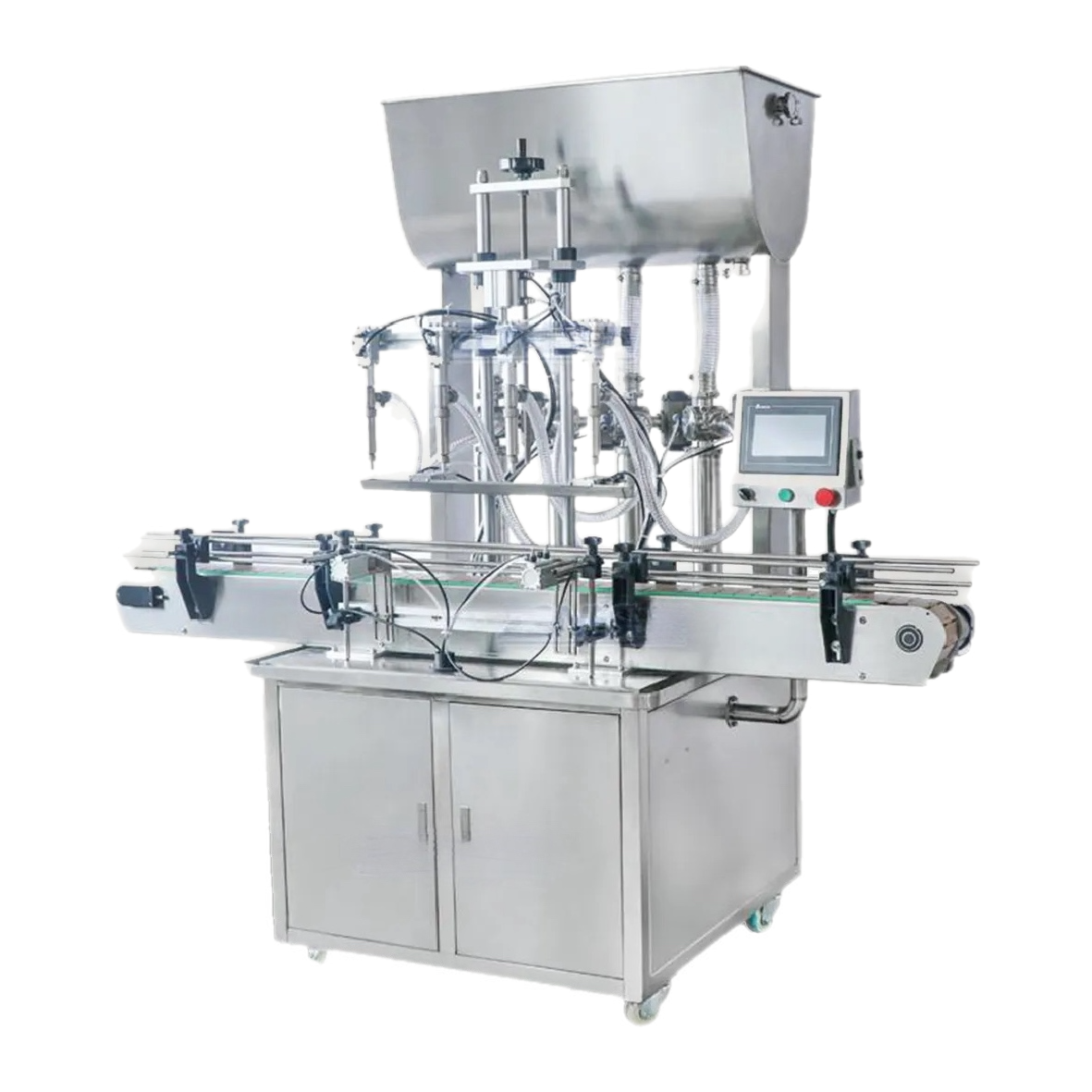
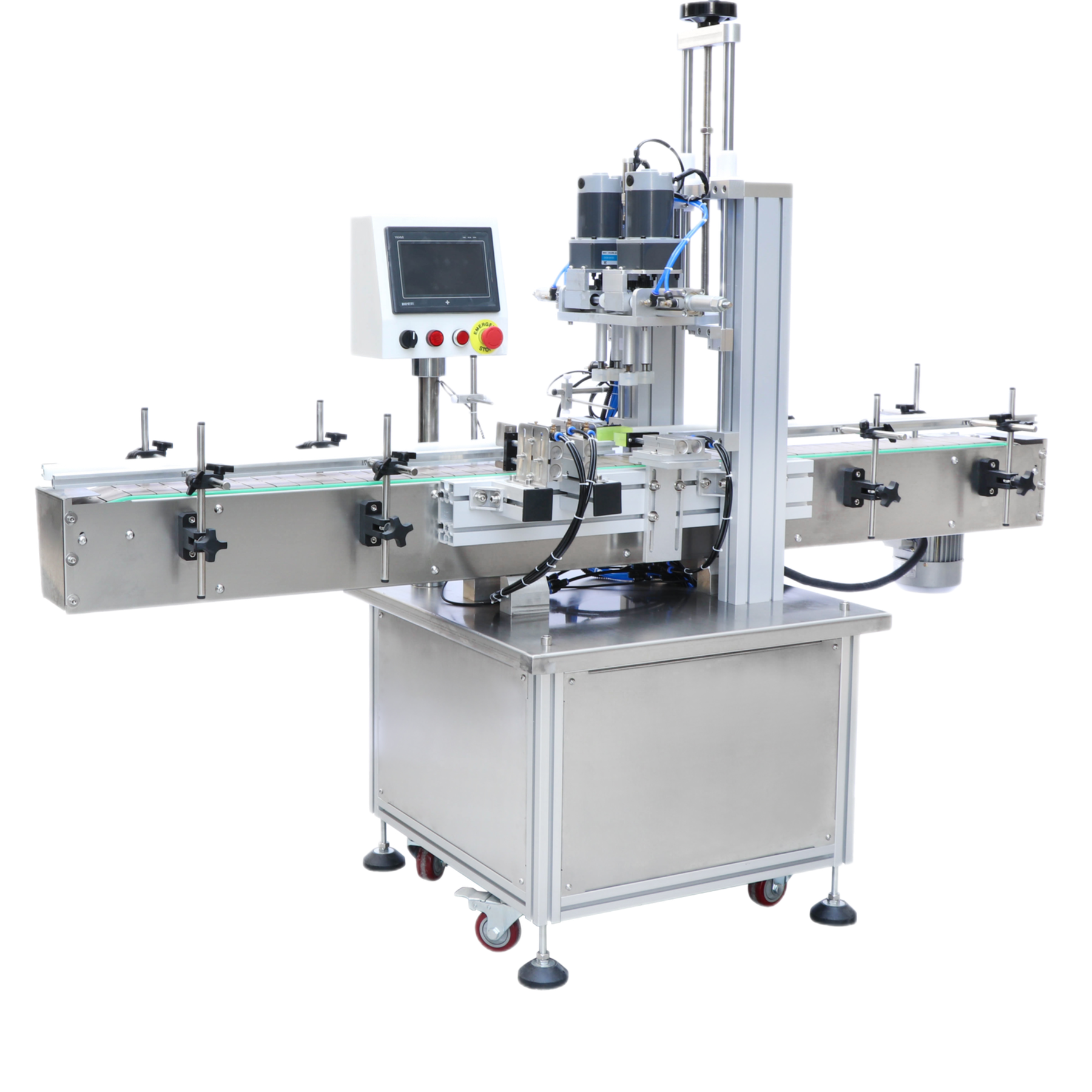
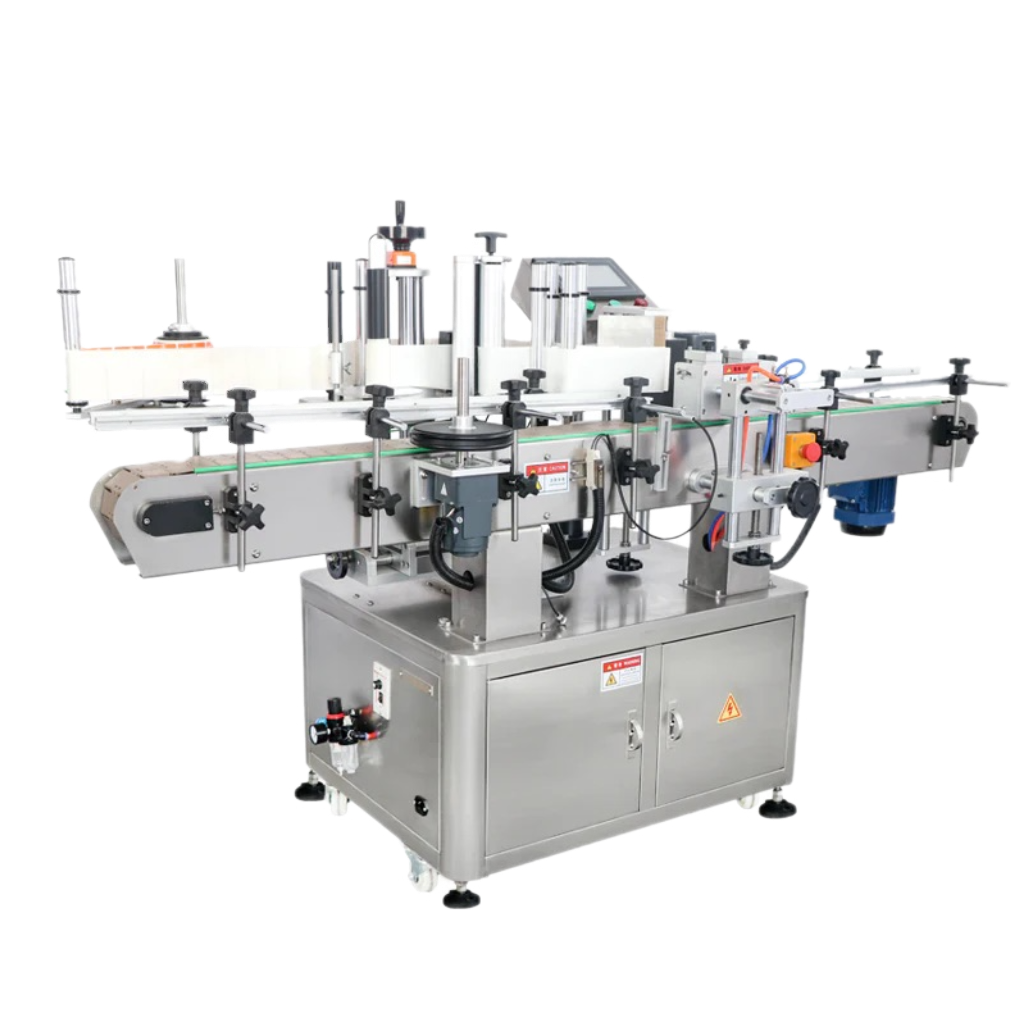
For specialist equipment outside this site’s cartoning scope, use the appropriate Lancing resource: bottle filling machines, bottle cappers, bottle labellers and complete packaging lines. Keep the cartoning specification focused on carton erection, product loading, inserts, coding interfaces, closing, inspection and discharge.
Show conveyor direction, machine positions, available space, heights, access routes and the expected response to upstream and downstream stops. This makes interface responsibility visible before quotations are compared.
At minimum, agree ready, running, starved, blocked, fault and stop behaviour. The exact interface should also cover manual modes, changeover, emergency stops, batch clearance and any shared inspection or reject condition.
Use a point after the relevant checks but before failed packs can mix with accepted production. The reject path should be accessible, its action confirmed and its capacity monitored, with a defined response when rejection is unavailable.
Define both, linked by bottles per carton and the expected feed condition. The acceptance criterion should be expressed in acceptable finished packs while recording upstream starvation, downstream blockage and rejected output.
Accumulation is useful only when it protects a defined production event. A long conveyor does not automatically create useful buffer capacity: bottles may be unable to tolerate back-pressure, grouped products may lose orientation, completed cartons may mark each other, and a restart surge can overload the next machine. The line review should begin with the stoppages that occur or are expected, then state which machine is allowed to continue and for how long.
| Scenario | Material-flow decision | Control decision |
|---|---|---|
| Short upstream interruption | Determine whether the cartoner completes material already in process, slows, or stops before an incomplete group is created. | Define the starved signal, delay, restart condition and treatment of cartons already erected or inserts already fed. |
| Cartoner fault | State where incoming bottles can accumulate safely and the maximum condition before the upstream machine must stop. | Assign the blocked signal, upstream stop request, alarm ownership and controlled restart order. |
| Downstream interruption | Confirm how many completed cartons can be retained without crushing, scuffing, loss of code visibility or obstruction of the reject point. | Define the downstream blocked state and whether the cartoner finishes its current cycle or stops immediately. |
| Changeover or batch clearance | Identify bottles, cartons, leaflets and rejects left in guarded transfer zones and how each is removed or reconciled. | Define recipe authority, line-clear status and the conditions required before the next batch can start. |
| Emergency stop or safety intervention | Prevent uncontrolled release, product fall or hidden packs when energy is removed and restored. | Agree safety boundaries, reset permissions, machine-ready signals and the sequence for recovering material between stations. |
For every connection, name the supplier or party responsible for the mechanical interface, conveyor, sensor, electrical termination, safety circuit, control signal, network data, recipe ownership, installation, test and documentation. Include coding and inspection devices, because they often span the boundary between the cartoner and line-level controls.
When production reporting is required, define the meaning of good pack, rejected pack, machine fault, starved, blocked, planned stop and changeover before software is written. Consistent state definitions allow the cartoner data to be compared with filling, capping, labelling and downstream equipment without counting the same stop under several categories.
This site retains the detailed cartoner scope. Broader multi-machine automation belongs on the relevant Lancing resources, including packaging automation, complete packaging lines and automation machinery. Use those resources for wider line ownership while the local specification remains clear about carton erection, bottle loading, closing, inspection and discharge.
Provide a layout, normal product flow, expected stop scenarios, conveyor heights and the equipment supplier boundaries. Lancing can then review the physical and control interfaces around the cartoner.
Integration is complete only when mechanical transfer, operating states, safety functions, utilities, access and production handover work together. Record every interface in a responsibility schedule so a conveyor gap, signal, guarding boundary or service connection does not remain outside the order.
| Interface | Information to freeze |
|---|---|
| Mechanical | Datum, height, width, product orientation, guide transition, transfer gap, accumulation and access around each connection. |
| Controls | Ready, run, starved, blocked, fault and emergency states, signal owner, wiring or network boundary and restart sequence. |
| Safety | Machine-assembly responsibility, shared access, guard interfaces, emergency response, isolation and validation ownership. |
| Site | Delivery route, floor, services, lifting, shutdown window, waste, lighting, environmental conditions and facilities for commissioning. |
| Acceptance | Materials, line conditions, challenge faults, sustained sequence, documentation, training and treatment of open actions. |
Use the installation and site-preparation guide to freeze physical and service details. The FAT, SAT and commissioning guide separates factory evidence from site-only integration tests, and the UK machinery safety guide supports allocation of responsibilities requiring competent assessment.
Include equipment boundaries, signals, services, access and acceptance ownership so each supplier and the site team work to the same definition.
Send the layout, equipment list, interface schedule and required line states for an integration review.
Line integration is complete only when each operating state, product-memory rule and restart decision has an agreed owner and test method.
Ready means a machine can accept and process product; starved means it lacks the required incoming product or material; blocked means it cannot discharge because the downstream path is unavailable.
These states should be defined for each machine and translated into signals, timers and stop sequences. A line can be mechanically connected yet perform poorly if one machine keeps running into a blocked section or stops before upstream accumulation is used. State definitions should be included in FAT and SAT scenarios.
The control and restart guide provides a practical state framework.
After an emergency stop, hazardous motion must remain stopped until the safety condition is restored and a deliberate restart sequence is completed; production should not resume merely because the emergency-stop device has been reset.
The project must define which machines stop, how stored energy is managed, what happens to products already in transfer, how incomplete cartons are identified and which checks are required before restart. The actual safety functions require machine-specific risk assessment and competent validation.
Review the UK safety planning guide and the operating-state guide.
The master speed reference should be assigned to the process that best represents required finished output and line constraints; it is not automatically the cartoner or the fastest machine.
Some lines use a supervisory setpoint with individual machines following within defined limits. Others use local control with starve and block signals. The choice depends on accumulation, product pitch, process criticality and the ability of each machine to vary rate. The interface schedule should identify ownership and permitted responses.
Calculate the demand first with the cartoner output guide.
Product identity is protected by controlling what can mix in the accumulation zone, maintaining batch or variant boundaries and defining how the line is cleared when a change, fault or reject interrupts normal flow.
The method may involve physical separation, controlled gaps, recipe interlocks, counts, sensors or documented line clearance. The required control depends on the product risk and site procedure. The key is to define the boundary before the conveyor layout is fixed.
Include identity and clearance rules in the machine specification.
Reject reconciliation compares the products committed to each carton with accepted cartons, confirmed rejects and any products retained in the machine or accumulation zones at the end of a batch or fault.
The required evidence may range from a simple confirmed reject count to detailed pack tracking. Define what event creates the count, how a failed reject is handled, how manual removals are recorded and what the operator must do before clearing the batch. The logic should be tested with deliberate faults.
Use the inspection and reject-control guide alongside the control-state specification.
Send the proposed line layout, product flow, current controls and required reject evidence so the cartoner interface can be defined before installation.
Do not treat a retrofit as a conveyor gap with a machine placed inside it. Survey the retained line, define product presentation and allocate each mechanical, control, safety and site interface.
The cartoning machine retrofit guide provides the complete site-survey and handover route.
Include photographs, product flow, retained machinery, conveyor details, services and the production shutdown available for installation.