
Cartoning machine video: what the operating footage shows
The supplied seven-second clip shows guarded cartoning equipment cycling around a controlled transfer path. Use it to understand the visible motion, then separate those observations from capability claims that still require samples, drawings and a recorded trial.
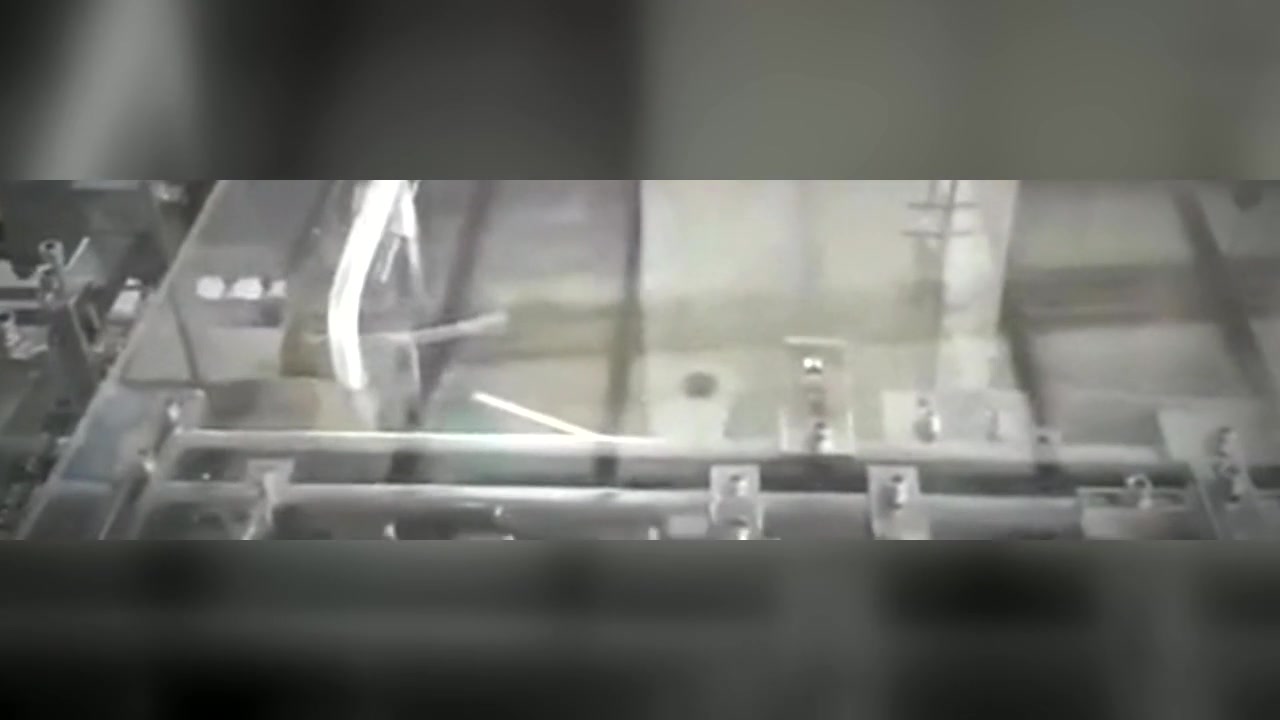
What does the cartoning-machine footage show?
The clip is useful because it shows real coordinated machinery movement. It is deliberately described only to the level that the visible evidence supports.
Video transcript and visual description
No speech is present. Guarded cartoning machinery cycles around a controlled transfer path while timed guides and tooling move in sequence. The short crop shows the operating area continuously for approximately seven seconds.
- A guarded mechanical section is visible around the pack path.
- Guides and moving tooling repeat a timed sequence.
- The path is constrained rather than relying on an uncontrolled free transfer.
- The clip is a close operational view, not a complete line overview.
Which capability claims can the video support?
The footage can support a limited statement that the viewed mechanism cycles and controls a pack path during the recorded interval. It cannot establish performance outside that interval or for a different bottle, carton, closure or machine configuration.
| Visible observation | Reasonable conclusion | Not proven by the clip |
|---|---|---|
| Repeated timed motion | The viewed mechanism completes a repeated sequence during the recording. | Sustainable accepted output, reliability or overall equipment effectiveness. |
| Guides around the transfer path | The pack path is mechanically constrained in the viewed area. | The supported bottle and carton size range or suitability for another format. |
| Guarding around moving parts | The recorded area includes a physical barrier around the mechanism. | Compliance of the complete installed machine or integrated line. |
| Continuous short run | No stop is visible during the seven-second crop. | Fault recovery, starve/block behaviour, inspection or reject confirmation. |
How should a buyer review cartoning-machine footage?
- Confirm the process boundary. Establish whether the footage shows carton pick-off, erection, product loading, closing, coding, inspection and rejection, or only one station.
- Match the format. Confirm that the bottles, closures, labels, inserts and carton blanks correspond to the proposed production pack.
- Ask for the test conditions. Record format revision, machine state, run duration, accepted pack definition and any excluded checks.
- Look beyond steady running. Request controlled stops, restart, material replenishment, fault challenges and reject confirmation where these affect acceptance.
- Inspect the finished pack. Review carton squareness, flap condition, marking, code quality and product damage against agreed criteria.
- Separate changeover evidence. A single-format video does not demonstrate repeatable tooling changes or recipe recovery.
- Retain a traceable record. Link the footage to the sample register, test sheet, deviations and approval status.
What evidence should accompany a cartoning-machine video?
A machinery video should be accompanied by the component revisions, machine concept, test objective, run conditions, accepted-pack definition, observed faults and the actions that remain open.
Minimum evidence pack
- Bottle, closure, label, insert and carton identifiers.
- Carton dieline and board specification used for the run.
- Machine format and tooling configuration.
- Target and measured accepted output under stated conditions.
- Inspection, reject and stop/restart challenges completed.
- Examples of accepted and rejected finished cartons.
- Deviations, limitations and next actions.
Useful connected guides
Prepare samples with the cartoning-machine sample-trial guide, define acceptance with the FAT, SAT and commissioning guide, and keep project inputs controlled with the specification checklist.
Send the real pack so footage can be tested against your application
Provide bottle and carton drawings, representative samples, the required pack count, line layout and acceptance questions. Lancing can identify what the video already demonstrates and what needs a controlled trial.